- Why a Daily Planner Is Perfect for Language Learning
- 1. Set Clear Language Goals
- 2. Schedule Daily Study Sessions
- 3. Track New Vocabulary and Phrases
- 4. Log Practice Activities
- 5. Use a Habit Tracker for Consistency
- 6. Schedule Immersion Activities
- 7. Reflect on Progress Weekly
- 8. Track Milestones and Rewards
- 9. Integrate with Apps and Resources
- 10. Plan for Plateaus and Motivation Dips
- Tips for Language Learning with a Daily Planner
- Why a Daily Planner Accelerates Language Learning
- Related Posts
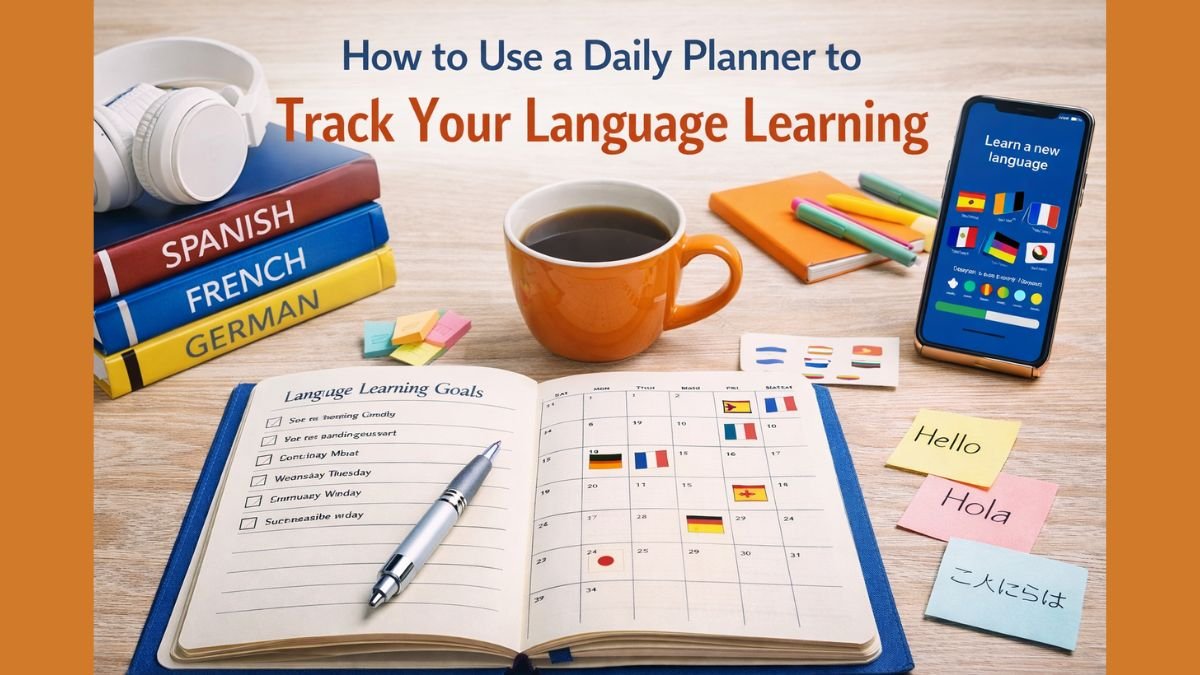
How to Use a Daily Planner to Track Your Language Learning
Learning a new language in 2025 is one of the most rewarding investments you can make — but consistency is the make-or-break factor. A daily planner turns sporadic study sessions into steady progress, helping you track vocabulary, grammar, speaking practice, and immersion. Inspired by the disciplined routines of high-achievers like Elon Musk, this guide shows how to use a daily planner to track your language learning with 10 practical strategies to stay motivated and achieve fluency faster.
Why a Daily Planner Is Perfect for Language Learning
Language acquisition requires daily exposure and repetition, and a daily planner provides the structure to schedule sessions, track progress, and reflect on wins. By breaking learning into manageable daily tasks, it builds habits that lead to real conversations. Below are 10 ways to make your planner your ultimate language-learning companion.
1. Set Clear Language Goals
A planner helps you define specific, trackable goals to guide your daily efforts.
How to Do It:
- Write SMART goals, e.g., “Reach B1 level in Spanish by December 2025” or “Learn 1,000 new words this year.”
- Break into quarterly/monthly targets, like “200 words this month.”
- Dedicate a goal page in your planner and review weekly.
Why It Helps: Clear goals give direction, making daily sessions purposeful.
2. Schedule Daily Study Sessions
Consistency beats intensity — use your planner to block dedicated language time every day.
How to Do It:
- Block 20–60 minutes daily, e.g., “Spanish study: 7–7:30 AM” or “French practice: 8–9 PM.”
- Vary activities: Monday vocab, Tuesday grammar, Wednesday speaking.
- Use a digital planner like Daily Planner for recurring session reminders.
Why It Helps: Scheduled sessions build the daily exposure needed for fluency.
3. Track New Vocabulary and Phrases
A planner is ideal for logging and reviewing new words to reinforce retention.
How to Do It:
- Create a daily vocab section, noting 5–10 new words/phrases with translations and examples.
- Use spaced repetition: Review yesterday’s words weekly.
- Add a running tally for total words learned.
Why It Helps: Tracking vocab turns passive exposure into active mastery.
4. Log Practice Activities
Varied practice (listening, speaking, reading, writing) is key — track it all in your planner.
How to Do It:
- Note daily activities, e.g., “Listened to podcast: 20 min,” “Duolingo lesson: Completed,” “Spoke with tandem partner: 15 min.”
- Block specific types, like “Speaking practice: Thursday 7 PM.”
- Track hours per skill for balanced progress.
Why It Helps: Logging activities ensures well-rounded learning and identifies gaps.
5. Use a Habit Tracker for Consistency
A visual tracker in your planner makes daily practice addictive.
How to Do It:
- Track core habits, like “Study daily,” “Review flashcards,” or “Immersion (music/podcasts).”
- Mark with checkmarks or colors to build streaks.
- Use a digital planner for streak alerts and progress graphs.
Why It Helps: Streaks create momentum, turning study into a non-negotiable habit.
6. Schedule Immersion Activities
Immersion accelerates learning — plan it deliberately in your planner.
How to Do It:
- Block time for real-world practice, e.g., “Watch Spanish show: 30 min,” “Read article: 15 min.”
- Note immersion goals, like “Consume 1 hour of target language media weekly.”
- Track sources, like podcasts or books, for variety.
Why It Helps: Planned immersion builds intuitive understanding beyond textbooks.
7. Reflect on Progress Weekly
Weekly reflection in your planner helps you adjust and stay motivated.
How to Do It:
- Schedule a review, e.g., “Language check-in: Sunday 8 PM.”
- Note wins, like “Held 10-min conversation” or “Learned 50 new words.”
- Identify struggles, like “Need more speaking practice,” and plan fixes.
Why It Helps: Reflection celebrates progress and refines your approach.
8. Track Milestones and Rewards
A planner helps you mark achievements to maintain long-term motivation.
How to Do It:
- Set milestones, like “Complete A1 level” or “100-day streak.”
- Log them with dates and celebrate, e.g., “Reward: Favorite meal.”
- Use a progress bar or tally for big goals, like total words learned.
Why It Helps: Milestones make abstract progress tangible and rewarding.
9. Integrate with Apps and Resources
A planner centralizes your tools for seamless tracking.
How to Do It:
- Note app sessions, like “Anki flashcards: 15 min” or “Tandem call: Scheduled.”
- Track resource progress, e.g., “Duolingo streak: 45 days” or “Book: Chapter 5.”
- Link or note resources in a digital planner.
Why It Helps: Integration keeps all learning in one place, reducing fragmentation.
10. Plan for Plateaus and Motivation Dips
A planner helps you push through inevitable slumps with proactive strategies.
How to Do It:
- Note low-motivation plans, like “Minimum: 10 min review if tired.”
- Schedule fun activities, e.g., “Watch favorite show in target language.”
- Reflect on “why” during dips to reconnect with your goal.
Why It Helps: Planning for challenges ensures you never quit during tough phases.
Tips for Language Learning with a Daily Planner
- Choose Your Planner: Paper for handwriting vocab or digital like Daily Planner for reminders and trackers.
- Start Small: Begin with 20 minutes daily and one habit.
- Plan Evenings: Prep tomorrow’s session the night before.
- Stay Consistent: Aim for daily exposure, even if short.
- Make It Fun: Add cultural notes or rewards to keep motivation high.
Why a Daily Planner Accelerates Language Learning
A daily planner is your accountability partner for language learning, turning sporadic efforts into consistent progress. By scheduling sessions, tracking vocab and habits, and reflecting on wins, it builds the repetition needed for fluency. In 2025, speak a new language confidently — start with your planner.
For a seamless digital experience, try Daily Planner, with customizable trackers, reminders, and templates to supercharge your language journey. ¡Buena suerte! Bonne chance! Good luck!
Hi, I’m Sam Thomas. I love writing about productivity and simple ways to stay organized in daily life. Through this blog, I share practical tips, planners, and ideas that have helped me stay on track. My goal is to make planning easy and useful for everyone.