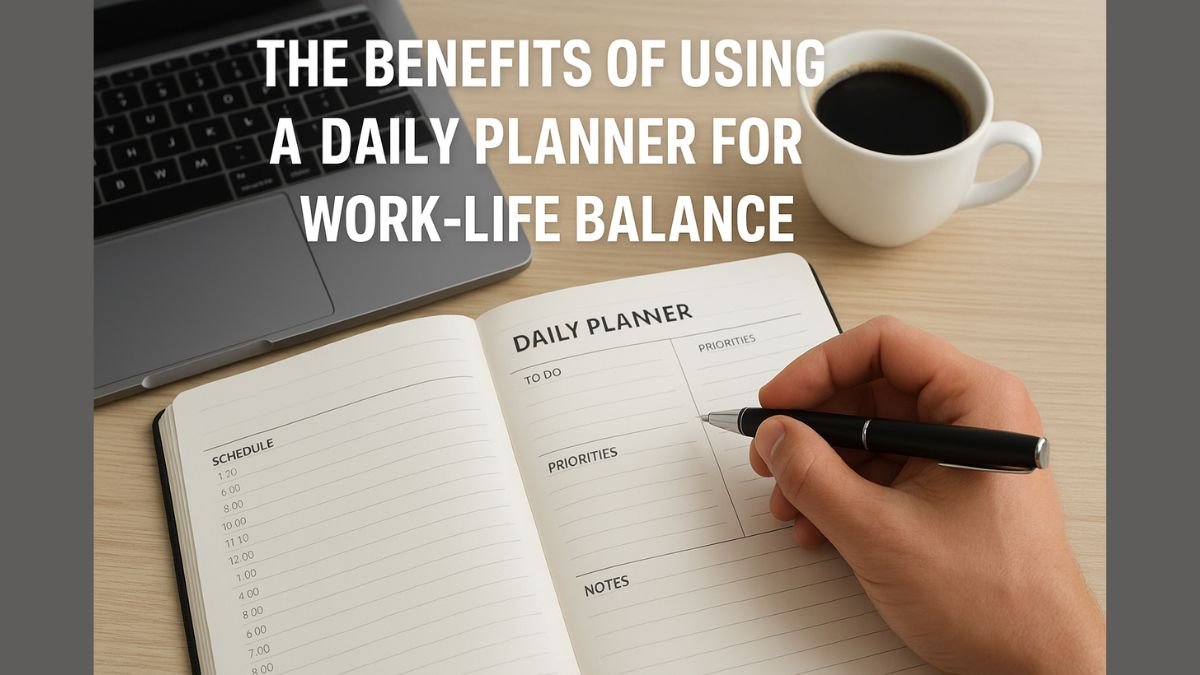
In 2025, achieving work-life balance is more challenging—and more essential—than ever. With the lines between work and personal life increasingly blurred, especially in hybrid or remote work environments, a daily planner can be a transformative tool. Inspired by the disciplined scheduling of high-achievers like Elon Musk, a daily planner helps you allocate time intentionally, ensuring both professional success and personal well-being. This guide explores the benefits of using a daily planner for work-life balance, with practical tips to integrate it into your routine and create harmony in your busy life.
Why Work-Life Balance Matters
Work-life balance isn’t just about splitting time evenly between work and personal life—it’s about prioritizing what matters most, reducing stress, and maintaining energy for both. A daily planner provides the structure to make this happen, helping you organize tasks, set boundaries, and carve out time for yourself. Below, we outline the key benefits of using a daily planner to achieve a balanced, fulfilling life in 2025.
1. Clarifies Priorities Across Work and Life
A daily planner helps you identify and prioritize tasks for both work and personal life, ensuring neither overshadows the other.
How It Helps:
- By listing work and personal priorities, you ensure critical tasks—like a work deadline or family time—are addressed.
- It prevents work from consuming your day, leaving space for personal goals.
How to Use It:
- Each morning, write your top 3 work priorities (e.g., “Finish client report”) and top 3 personal priorities (e.g., “Evening walk with family”) in your planner.
- Use a digital planner like Daily Planner to highlight priorities with color-coding for clarity.
Benefit: Clear priorities create a balanced focus, ensuring you make progress in both domains.
2. Enables Intentional Time-Blocking
Time-blocking, a technique used by productivity experts, assigns specific time slots to tasks, helping you balance work and personal commitments.
How It Helps:
- Scheduling work tasks alongside personal activities ensures you dedicate time to both without overlap.
- It sets clear boundaries, preventing work from spilling into personal hours.
How to Use It:
- Divide your day into blocks for work (e.g., “Emails: 9–9:30 AM”), personal tasks (e.g., “Gym: 6–7 PM”), and rest.
- Protect personal time blocks as rigorously as work meetings.
Benefit: Time-blocking creates a structured day, fostering balance and reducing burnout.
3. Reduces Stress and Overwhelm
A daily planner organizes your tasks and schedule, reducing the mental load of juggling work and life responsibilities.
How It Helps:
- Writing down tasks and commitments clears mental clutter, making your day feel manageable.
- A clear plan reduces anxiety by giving you control over your time.
How to Use It:
- Plan your day the night before, listing work tasks (e.g., “Team meeting: 2 PM”) and personal tasks (e.g., “Read: 8 PM”).
- Use a digital planner like Daily Planner for reminders to stay on track without stress.
Benefit: A structured plan lowers stress, freeing mental energy for both work and relaxation.
4. Sets Boundaries Between Work and Life
Without clear boundaries, work can encroach on personal time, leading to imbalance. A daily planner helps you define and maintain these boundaries.
How It Helps:
- Scheduling an “end” to your workday prevents work from bleeding into evenings.
- Allocating time for personal activities reinforces their importance.
How to Use It:
- Set a hard stop for work tasks, e.g., “No work after 6 PM,” and note it in your planner.
- Schedule personal activities like “Family dinner: 7 PM” or “Meditation: 8 AM” to prioritize well-being.
Benefit: Clear boundaries protect personal time, fostering a healthier balance.
5. Promotes Self-Care and Well-Being
A daily planner ensures you make time for self-care, which is critical for sustaining energy and preventing burnout.
How It Helps:
- Scheduling self-care activities like exercise, hobbies, or relaxation makes them non-negotiable.
- Tracking wellness habits reinforces their importance in your routine.
How to Use It:
- Add self-care tasks to your planner, like “Yoga: 7 AM” or “Journal: 9 PM.”
- Include a habit tracker for wellness goals, such as “Drink 8 glasses of water” or “Get 7 hours of sleep.”
Benefit: Prioritizing self-care boosts physical and mental health, enhancing overall balance.
6. Enhances Productivity Without Sacrificing Personal Time
A daily planner helps you work smarter, not longer, ensuring you accomplish work tasks efficiently while leaving time for personal life.
How It Helps:
- Prioritizing high-impact tasks reduces time spent on low-value work.
- A structured schedule prevents procrastination, freeing up evenings for relaxation.
How to Use It:
- List your top 3 work tasks each day, tackling them during peak energy hours (e.g., “Write report: 10–11:30 AM”).
- Schedule personal time, like “Movie night: 8 PM,” to ensure work doesn’t dominate.
Benefit: Efficient work habits create more time for personal life, supporting balance.
7. Tracks Progress in Both Domains
A daily planner allows you to monitor progress in work and personal goals, keeping you motivated and balanced.
How It Helps:
- Tracking work achievements (e.g., project milestones) and personal wins (e.g., fitness goals) creates a sense of accomplishment.
- Regular reviews help you adjust your routine to maintain balance.
How to Use It:
- Use a section in your planner to track progress, like “Completed sales pitch” or “Ran 5K.”
- Review weekly to ensure you’re advancing in both work and personal areas.
Benefit: Visible progress in both domains reinforces the value of balance.
8. Adapts to Life’s Changes
Life is unpredictable, and a daily planner helps you adjust your schedule while maintaining balance.
How It Helps:
- A planner allows you to reschedule tasks when unexpected work or personal demands arise.
- Buffer times provide flexibility to handle disruptions without sacrificing priorities.
How to Use It:
- Leave 15–30-minute buffers between tasks for flexibility.
- Use a digital planner like Daily Planner to easily rearrange tasks when plans change.
Benefit: Flexibility ensures balance even during busy or chaotic periods.
9. Encourages Reflection and Adjustment
Regular reflection helps you assess whether your routine supports work-life balance, and a daily planner provides a space for this.
How It Helps:
- Reviewing your planner reveals if work is dominating or if personal time is neglected.
- Reflection helps you tweak your schedule for better balance.
How to Use It:
- Schedule 10 minutes weekly to review your planner, asking: “Did I make time for family? Am I overworking?”
- Adjust your schedule, like moving meetings to free up evenings.
Benefit: Ongoing reflection keeps your routine aligned with balanced priorities.
10. Builds Sustainable Habits
A daily planner helps you establish habits that support both work and personal well-being, making balance a long-term reality.
How It Helps:
- Scheduling recurring tasks, like exercise or team check-ins, turns them into habits.
- Consistency in planning reinforces a balanced lifestyle.
How to Use It:
- Add recurring tasks, like “Team sync: 11 AM” or “Meditation: 7 PM,” to your planner.
- Track habits with a simple checkbox system to build consistency.
Benefit: Sustainable habits create lasting balance, reducing stress over time.
How to Start Your Daily Planner Routine
- Choose Your Planner: Pick a paper planner for tactile planning or a digital one like Daily Planner for syncing and reminders.
- Plan Daily: Spend 5–10 minutes each morning or evening mapping out work and personal tasks.
- Balance Both Sides: Ensure your planner includes work tasks, self-care, and personal time.
- Review Weekly: Check if your routine supports balance and adjust as needed.
- Stay Consistent: Use your planner daily for 21 days to build a habit.
Why a Daily Planner Works for Balance
A daily planner is a powerful tool for work-life balance, offering clarity, structure, and flexibility to manage your time intentionally. By prioritizing tasks, setting boundaries, and making time for self-care, you create a sustainable routine that supports both professional success and personal well-being. Start using a daily planner today, and take the first step toward a balanced, fulfilling life in 2025.
Hi, I’m Sam Thomas. I love writing about productivity and simple ways to stay organized in daily life. Through this blog, I share practical tips, planners, and ideas that have helped me stay on track. My goal is to make planning easy and useful for everyone.