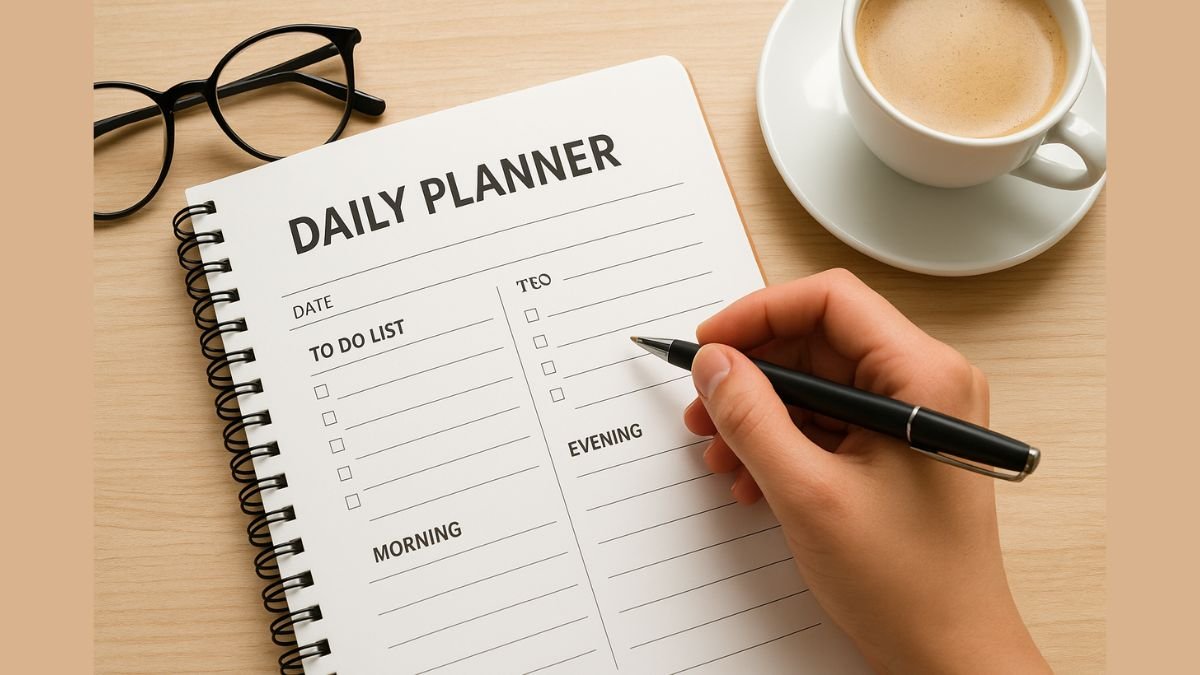
In 2025, achieving your goals requires more than just ambition—it demands structure, focus, and a system to keep you on track. A daily planner is a powerful tool that can transform your aspirations into reality, helping you organize your time and align your daily actions with your long-term vision. Inspired by high-achievers like Elon Musk, who are known for their disciplined routines, this guide will show you how to use a daily planner to achieve your goals like a pro. With practical strategies and actionable steps, you’ll learn how to harness the power of a daily planner to stay focused, productive, and motivated.
Why a Daily Planner Is Essential for Goal Achievement
A daily planner does more than schedule tasks—it acts as a roadmap to your dreams. By breaking down big goals into manageable daily actions, it keeps you accountable and ensures steady progress. Whether you’re aiming to start a business, improve your health, or learn a new skill, a daily planner provides clarity and structure. Here’s how to use it effectively to achieve your goals like a pro.
1. Define Clear, Specific Goals
The foundation of using a daily planner effectively is knowing what you’re working toward. Vague goals like “get fit” or “be more productive” lack direction. Instead, set SMART goals—Specific, Measurable, Achievable, Relevant, and Time-bound—to give your planner a clear purpose.
How to Do It:
- Write your goals in your planner’s front section or a dedicated goal-tracking page. For example, instead of “get fit,” write, “Run 5K in under 30 minutes by December 2025.”
- Break each goal into smaller milestones, like “Run 1K three times this week” or “Increase weekly running distance by 10%.”
- Review these goals weekly to stay aligned.
Pro Tip: Use a digital planner like Daily Planner to set reminders for reviewing your goals, ensuring they stay top of mind.
2. Break Goals into Daily Actions
Big goals can feel overwhelming, but a daily planner helps you chip away at them by turning them into bite-sized tasks. By focusing on what you can do today, you build momentum and avoid procrastination.
How to Do It:
- Each evening, identify 1–3 daily tasks that move you closer to your goal. For example, if your goal is to write a book, your daily task might be “Write 500 words” or “Outline Chapter 3.”
- Schedule these tasks in your planner, assigning specific times to ensure they get done.
- Use a priority marker (e.g., a star or highlight) to emphasize goal-related tasks.
Example: If your goal is to launch a side hustle, your daily planner might include tasks like “Research competitors for 30 minutes at 7 PM” or “Draft business plan outline at 8 AM.”
3. Time-Block Your Day for Focus
Time-blocking, a favorite technique of productivity gurus like Elon Musk, involves assigning specific time slots to tasks. A daily planner makes this easy by providing a visual layout of your day, helping you dedicate focused time to goal-related activities.
How to Do It:
- Divide your day into 30–60-minute blocks in your planner. Include goal-related tasks, work, personal time, and breaks.
- Protect your goal-focused blocks by minimizing distractions—turn off notifications and set boundaries.
- Use tools like Daily Planner to drag and drop tasks, making it easy to adjust your schedule as needed.
Pro Tip: Start with just one or two time-blocked sessions per day for your goals to avoid overwhelm, then gradually increase as you build discipline.
4. Track Progress to Stay Motivated
Tracking your progress is key to staying motivated. A daily planner lets you record completed tasks, milestones, and wins, giving you a sense of accomplishment and momentum.
How to Do It:
- Create a progress-tracking section in your planner. For example, use a habit tracker to mark days you worked on your goal (e.g., “X” for days you exercised or wrote).
- Review your progress weekly or monthly to celebrate wins and identify areas for improvement.
- Note small victories, like “Completed first 5K run” or “Submitted job application,” to keep motivation high.
Example: If your goal is to learn coding, track daily tasks like “Completed one Python lesson” or “Built a simple webpage.”
5. Prioritize and Eliminate Distractions
A daily planner helps you focus on what matters most by prioritizing goal-related tasks over less important ones. It also reduces the temptation to multitask, which can derail progress.
How to Do It:
- Each morning, list your top 3–5 priorities in your planner, ensuring at least one ties directly to your goal.
- Use a “Do Not Do” list in your planner to avoid time-wasters, like excessive social media or unnecessary meetings.
- Schedule “focus blocks” for deep work on your goals, free from interruptions.
Pro Tip: Digital planners with built-in priority settings, like Daily Planner, can highlight your most critical tasks, keeping you on track.
6. Build Consistent Habits
Achieving goals requires consistent effort, and a daily planner helps you build habits that support your objectives. By scheduling recurring tasks, you turn goal-related actions into automatic routines.
How to Do It:
- Identify habits that support your goal, like “Meditate for 10 minutes daily” for stress management or “Read industry news for 15 minutes” for career growth.
- Add these habits to your planner as recurring tasks, scheduling them at the same time each day for consistency.
- Use visual cues, like color-coding or stickers, to make habit-tracking fun and engaging.
Example: For a fitness goal, schedule “30-minute workout at 6 PM” daily and track completion with a checkmark.
7. Adapt to Setbacks and Stay Flexible
Life is unpredictable, and setbacks are inevitable. A daily planner helps you stay flexible by allowing you to reschedule tasks and adjust your plan without losing sight of your goals.
How to Do It:
- Leave buffer times in your planner for unexpected events, like 30-minute gaps between tasks.
- If a goal-related task gets derailed, reschedule it immediately in your planner for the next available slot.
- Use a digital planner to quickly rearrange tasks, ensuring you stay on track even when plans change.
Pro Tip: Reflect on setbacks weekly in your planner, noting what went wrong and how to prevent it moving forward.
8. Review and Reflect Regularly
Regular reflection is crucial for long-term success. A daily planner provides a space to review your progress, assess what’s working, and adjust your approach to stay aligned with your goals.
How to Do It:
- Set aside 10–15 minutes weekly to review your planner. Ask: “Did I complete my goal-related tasks? What obstacles did I face?”
- Adjust your daily tasks based on what you learn. For example, if you’re consistently missing workouts, schedule them earlier in the day.
- Write down insights, like “Need to limit meetings to free up time for writing,” to refine your strategy.
9. Stay Inspired with Visual Reminders
A daily planner can double as a source of inspiration. By including motivational quotes, vision boards, or goal reminders, you keep your “why” front and center, fueling your drive to succeed.
How to Do It:
- Add a motivational quote or affirmation to your planner’s daily or weekly page, like “Small steps today lead to big wins tomorrow.”
- Include a small vision board section with images or words representing your goals (e.g., a picture of a diploma for academic goals).
- Revisit these reminders daily to stay connected to your purpose.
10. Celebrate Wins to Build Momentum
Celebrating progress, no matter how small, keeps you motivated. A daily planner lets you document and celebrate your wins, reinforcing your commitment to your goals.
How to Do It:
- At the end of each day, note one win in your planner, like “Finished project proposal” or “Stuck to my study schedule.”
- Plan small rewards for hitting milestones, like treating yourself to coffee after a week of consistent effort.
- Use your planner to track bigger milestones, like “Completed first month of fitness plan,” and celebrate with something meaningful.

Putting It All Together
Using a daily planner to achieve your goals like a pro is about intentionality and consistency. By defining clear goals, breaking them into daily actions, time-blocking, tracking progress, and staying flexible, you create a system that drives success. Whether you prefer a paper planner or a digital one, the key is to make it your own and use it daily.
For a seamless planning experience, tools like Daily Planner offer intuitive features to help you organize tasks, track goals, and time-block like a pro, inspired by visionaries like Elon Musk. Start implementing these strategies today, and watch your goals come to life in 2025.

Hi, I’m Sam Thomas. I love writing about productivity and simple ways to stay organized in daily life. Through this blog, I share practical tips, planners, and ideas that have helped me stay on track. My goal is to make planning easy and useful for everyone.