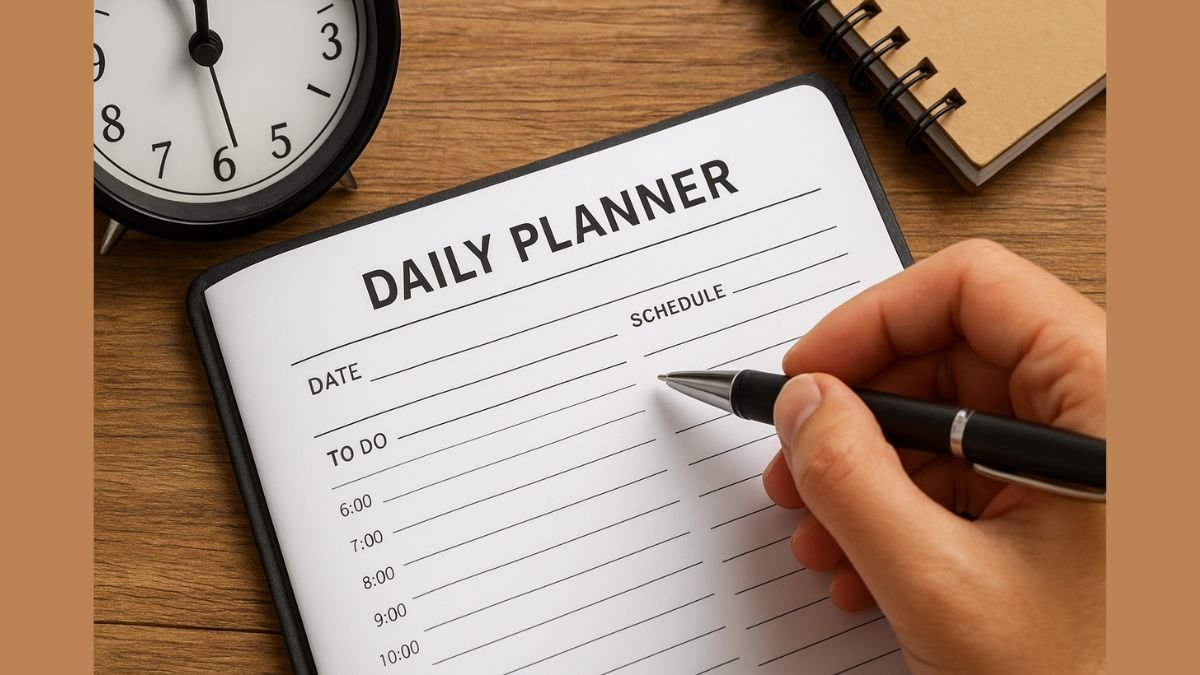
In 2025, time is one of your most valuable assets, yet it’s easy to let it slip away amid distractions, endless notifications, and competing priorities. Mastering time management is the key to unlocking productivity, reducing stress, and achieving your goals, and a daily planner is the ultimate tool to make it happen. Inspired by the disciplined routines of high-achievers like Elon Musk, a daily planner provides structure and clarity to your day. This guide explores how a daily planner can help you master time management, with practical strategies to optimize your schedule and take control of your time.
Why Time Management Matters
Effective time management allows you to focus on what matters most, balance work and personal life, and make steady progress toward your goals. A daily planner serves as a roadmap, helping you allocate time intentionally and avoid the chaos of an unstructured day. Below, we outline the key ways a daily planner empowers you to master time management, with actionable tips to implement today.
1. Provides a Clear Overview of Your Day
A daily planner gives you a bird’s-eye view of your schedule, helping you understand how your time is spent and where adjustments are needed.
How It Helps:
- Visualizing tasks, meetings, and personal time prevents overbooking and ensures you allocate time for priorities.
- A clear layout reduces mental clutter, making it easier to focus on execution rather than planning.
How to Use It:
- Each morning or evening, map out your day in your planner, including work tasks, personal commitments, and breaks.
- Use a digital planner like Daily Planner for a customizable view that syncs across devices, ensuring you always have your schedule at hand.
2. Enables Effective Time-Blocking
Time-blocking, a technique used by productivity experts like Elon Musk, involves assigning specific time slots to tasks. A daily planner makes this strategy seamless by providing a structured format to plan your day.
How It Helps:
- Time-blocking ensures you dedicate focused time to high-priority tasks, minimizing distractions.
- It helps you balance different aspects of your life, from work projects to self-care.
How to Use It:
- Divide your day into 30–60-minute blocks in your planner, assigning tasks like “Client call: 10–10:30 AM” or “Deep work on report: 2–3:30 PM.”
- Include buffer times to handle unexpected interruptions without derailing your schedule.
3. Helps Prioritize Tasks
Not all tasks are equally important. A daily planner forces you to identify and focus on your Most Important Tasks (MITs), ensuring your time is spent on what drives results.
How It Helps:
- By listing priorities, you avoid wasting time on low-value activities like excessive emails or unplanned meetings.
- Prioritization aligns your daily efforts with your long-term goals.
How to Use It:
- Each day, write your top 3–5 MITs in your planner, such as “Finalize proposal” or “Study for exam.”
- Tackle these tasks during your peak energy hours, marking them with a star or highlight for emphasis.
4. Reduces Decision Fatigue
Constantly deciding what to do next drains mental energy. A daily planner eliminates this by providing a pre-planned roadmap, freeing your mind for critical thinking.
How It Helps:
- A planned schedule means you don’t waste time deliberating over tasks, allowing you to dive into work immediately.
- It reduces stress by giving you a sense of control over your day.
How to Use It:
- Plan your day the night before, listing tasks and time blocks in your planner.
- Use a digital planner like Daily Planner to set reminders, ensuring you stay on track without overthinking.
5. Tracks Time Usage for Optimization
A daily planner acts as a record of how you spend your time, helping you identify inefficiencies and optimize your routine.
How It Helps:
- Reviewing your planner reveals patterns, like time spent on unproductive tasks or frequent interruptions.
- It allows you to adjust your schedule to focus on high-impact activities.
How to Use It:
- At the end of each week, review your planner to see where time was well-spent or wasted.
- Note adjustments, like “Move meetings to afternoons” or “Reserve mornings for creative work,” to improve efficiency.
6. Builds Consistent Routines
Consistency is the backbone of time management, and a daily planner helps you establish routines that maximize productivity.
How It Helps:
- Scheduling recurring tasks, like exercise or strategic planning, turns them into habits.
- A planner keeps you accountable, ensuring you stick to your routine even on busy days.
How to Use It:
- Add recurring tasks to your planner, such as “Review metrics: 8–8:15 AM” or “Exercise: 6–6:30 PM.”
- Use a habit tracker to mark completion, reinforcing consistency.
7. Minimizes Procrastination
Procrastination thrives in unstructured environments. A daily planner combats this by breaking tasks into manageable steps and assigning deadlines.
How It Helps:
- Clear deadlines and time blocks create urgency, motivating you to start tasks.
- Visualizing tasks in a planner reduces overwhelm, making it easier to take action.
How to Use It:
- Break large tasks into smaller steps in your planner, like “Outline report: 9–9:30 AM” instead of “Work on report.”
- Set mini-deadlines for each step to maintain momentum.
8. Enhances Work-Life Balance
Effective time management isn’t just about work—it’s about making time for personal life too. A daily planner ensures you balance professional and personal priorities.
How It Helps:
- Scheduling personal time, like family dinners or hobbies, prevents burnout and keeps you energized.
- A planner helps you set boundaries, avoiding work creep into personal hours.
How to Use It:
- Reserve time slots for self-care, like “Yoga: 7–7:30 AM” or “Family time: 6–8 PM,” and treat them as non-negotiable.
- Use color-coding to distinguish work and personal tasks for clarity.
9. Adapts to Unexpected Changes
Life is unpredictable, and a daily planner helps you stay flexible while keeping your priorities in focus.
How It Helps:
- A planner allows you to reschedule tasks quickly when disruptions occur, ensuring you stay on track.
- Buffer times provide a cushion for unexpected events without derailing your day.
How to Use It:
- Leave 15–30-minute gaps between tasks in your planner for flexibility.
- Use a digital planner like Daily Planner to drag and drop tasks when plans change.
10. Encourages Reflection and Improvement
Mastering time management is an ongoing process. A daily planner provides a space to reflect on your performance and refine your approach.
How It Helps:
- Regular reflection helps you identify what’s working and what’s not, allowing you to optimize your schedule.
- Tracking progress boosts motivation and reinforces good habits.
How to Use It:
- Schedule 10 minutes weekly to review your planner, asking: “Did I use my time effectively? What can I improve?”
- Note insights, like “Need to reduce social media time” or “Morning focus blocks are most productive.”
Putting Time Management into Action
A daily planner is your key to mastering time management, offering structure, clarity, and flexibility to navigate your busy life. By time-blocking, prioritizing, tracking progress, and staying adaptable, you can make every day count. Whether you prefer a paper planner’s tactile feel or a digital app’s convenience, consistency is the secret to success.
For an intuitive digital solution, try Daily Planner, which offers seamless time-blocking, task prioritization, and syncing to help you manage your time like a pro. Start using these strategies today, and take charge of your schedule in 2025.

Hi, I’m Sam Thomas. I love writing about productivity and simple ways to stay organized in daily life. Through this blog, I share practical tips, planners, and ideas that have helped me stay on track. My goal is to make planning easy and useful for everyone.