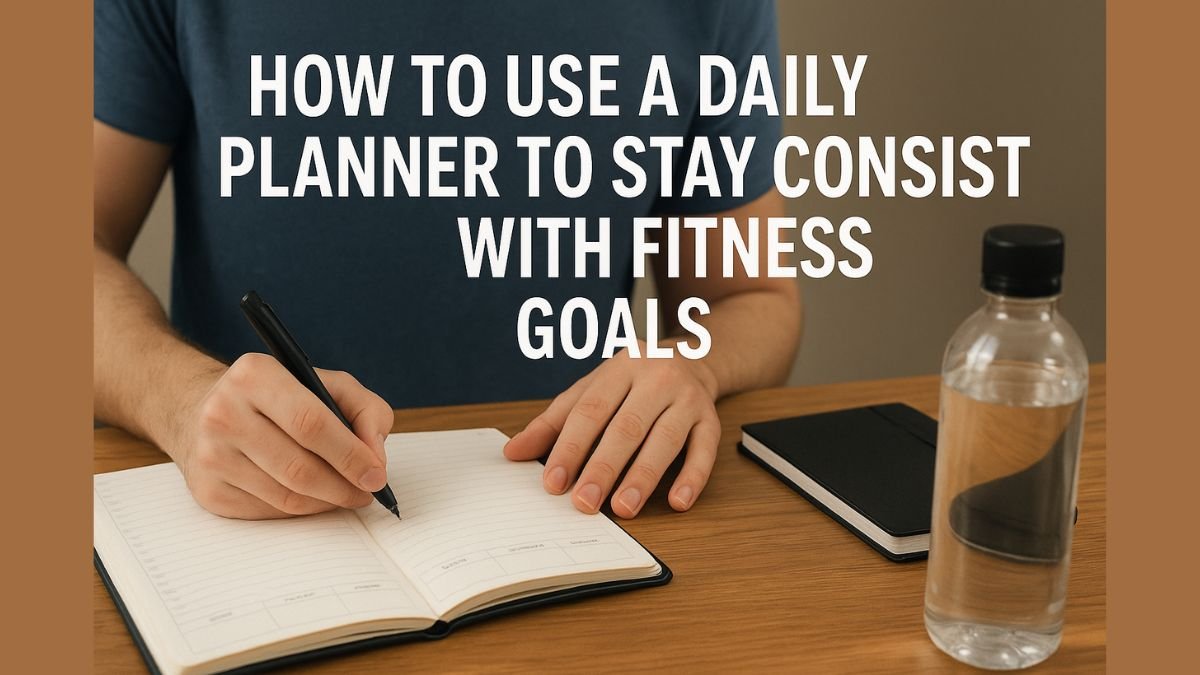
Achieving fitness goals in 2025 requires more than motivation—it demands consistency, planning, and accountability. Whether you’re aiming to run a marathon, build muscle, or simply stay active, a daily planner can be your secret weapon to maintain a steady routine. Inspired by the disciplined scheduling of high-achievers like Elon Musk, a daily planner helps you organize workouts, track progress, and balance fitness with your busy life. This guide explores how to use a daily planner to stay consistent with fitness goals, offering practical strategies to make exercise a lasting habit.
Why a Daily Planner Boosts Fitness Consistency
A daily planner transforms your fitness goals from vague intentions into actionable, scheduled habits. By allocating specific times for workouts, tracking progress, and aligning fitness with other priorities, it keeps you accountable and motivated. Below, we outline 10 key ways to use a daily planner to stay consistent with your fitness goals in 2025, with tips for both paper and digital formats.
1. Set Clear, Specific Fitness Goals
Clear goals give your planner a purpose, ensuring your daily actions align with your fitness aspirations.
How to Do It:
- Define SMART goals (Specific, Measurable, Achievable, Relevant, Time-bound), e.g., “Run 5K in 25 minutes by June 2025” or “Complete 3 strength workouts weekly.”
- Write your goals in your planner’s front section or a dedicated goal page.
- Break goals into smaller milestones, like “Increase running distance by 0.5K weekly.”
Why It Helps Consistency: Specific goals provide direction, making it easier to plan daily steps and stay focused.
2. Schedule Workouts Like Appointments
Treating workouts as non-negotiable appointments ensures they become a fixed part of your day.
How to Do It:
- Block specific times for exercise in your planner, e.g., “Gym: 6–7 PM” or “Morning yoga: 7–7:30 AM.”
- Use a digital planner like Daily Planner to set reminders for workout times.
- Protect these time slots by declining conflicting commitments.
Why It Helps Consistency: Scheduled workouts create a routine, reducing the temptation to skip sessions.
3. Use Time-Blocking for Balanced Planning
Time-blocking, a technique used by productivity experts, helps you integrate fitness into a busy schedule without neglecting other responsibilities.
How to Do It:
- Divide your day into blocks for work, fitness, and personal tasks, e.g., “Work: 9 AM–12 PM, Run: 12:30–1 PM.”
- Schedule workouts during your peak energy hours, like mornings for high-intensity sessions.
- Include buffer times to account for travel to the gym or unexpected delays.
Why It Helps Consistency: Time-blocking ensures fitness fits seamlessly into your day, making it a priority.
4. Track Workouts and Progress
A daily planner doubles as a fitness log, helping you monitor workouts and celebrate progress to stay motivated.
How to Do It:
- Create a workout log in your planner, noting details like “Ran 3K, 20 mins” or “Strength training: 3 sets, 10 reps each.”
- Track metrics like distance, reps, or calories burned to see improvement over time.
- Use a digital planner for searchable logs or graphs to visualize progress.
Why It Helps Consistency: Seeing tangible progress, like increased reps or faster run times, reinforces your commitment.
5. Build Fitness Habits with Trackers
Habit trackers turn workouts into automatic routines by making consistency visible and rewarding.
How to Do It:
- Add a habit tracker to your planner for fitness-related habits, like “Cardio,” “Strength,” or “Stretch.”
- Mark each completed workout with a checkmark, “X,” or color-in box to build streaks.
- Review your tracker weekly to stay accountable and adjust as needed.
Why It Helps Consistency: Visual streaks create a sense of accomplishment, motivating you to keep going.
6. Plan Recovery and Nutrition
Fitness isn’t just about exercise—recovery and nutrition are key. A daily planner helps you schedule these elements for a holistic approach.
How to Do It:
- Schedule rest days or active recovery, like “Stretching: 15 mins, 7 PM” or “Rest day: No workout.”
- Plan meals or hydration goals, e.g., “Drink 8 glasses of water” or “Prep high-protein lunch.”
- Use a digital planner like Daily Planner to set reminders for meal prep or water intake.
Why It Helps Consistency: Planning recovery and nutrition supports sustained energy and prevents burnout.
7. Anticipate and Overcome Obstacles
Life can disrupt fitness routines, but a daily planner helps you plan around obstacles to stay consistent.
How to Do It:
- Identify potential barriers (e.g., busy workdays, travel) and plan backup workouts, like “20-min home workout if meeting runs late.”
- Schedule shorter sessions (e.g., 15-min HIIT) for hectic days.
- Leave buffer times in your planner for flexibility.
Why It Helps Consistency: Proactive planning ensures you stay on track even when life gets busy.
8. Incorporate Motivational Cues
Motivational elements in your planner keep you inspired to stick with your fitness goals.
How to Do It:
- Add a daily motivational quote, like “Stronger every day,” to your planner’s daily page.
- Include a small vision board with images of your fitness goals, like a marathon finish line or a healthy meal.
- Write your “why” (e.g., “Run to feel energized”) to stay connected to your purpose.
Why It Helps Consistency: Motivation boosts engagement, making planning and workouts more enjoyable.
9. Review and Adjust Weekly
Regular reflection helps you assess your fitness routine and make adjustments to maintain consistency.
How to Do It:
- Schedule 10 minutes weekly to review your planner, asking: “Did I complete my workouts? What worked or didn’t?”
- Adjust your schedule, like moving workouts to mornings if evenings are inconsistent.
- Note progress, like “Ran 4K this week, up from 3K last week,” to stay motivated.
Why It Helps Consistency: Reflection keeps your routine effective and aligned with your goals.
10. Celebrate Small Wins
Celebrating progress, no matter how small, reinforces your commitment to fitness and keeps you motivated.
How to Do It:
- Note daily or weekly wins in your planner, like “Completed 5 workouts this week” or “Hit new personal best in squats.”
- Plan small rewards, like a smoothie after a week of consistent workouts.
- Use a digital planner to track milestones and set celebratory reminders.
Why It Helps Consistency: Recognizing wins creates a positive feedback loop, encouraging long-term adherence.
Tips for Building Your Fitness Planner Routine
- Choose Your Planner: Opt for a paper planner for tactile tracking or a digital one like Daily Planner for syncing and reminders.
- Start Small: Begin with scheduling 2–3 workouts weekly and tracking one habit, like water intake.
- Plan Daily: Spend 5 minutes each morning or evening mapping out fitness tasks.
- Stay Flexible: Adjust your schedule for busy days or unexpected changes.
- Make It Fun: Add colors, stickers, or motivational quotes to keep planning engaging.

Why a Daily Planner Works for Fitness Goals
A daily planner is a powerful tool for staying consistent with fitness goals, offering structure, accountability, and motivation. By scheduling workouts, tracking progress, and planning recovery, you turn exercise into a sustainable habit. Whether you prefer the tactile feel of a notebook or the convenience of a digital app, a planner keeps you on track to achieve your fitness aspirations.
For a seamless planning experience, try Daily Planner, which offers customizable templates, habit trackers, and reminders to support your fitness journey. Start today, and make 2025 your fittest year yet.
Hi, I’m Sam Thomas. I love writing about productivity and simple ways to stay organized in daily life. Through this blog, I share practical tips, planners, and ideas that have helped me stay on track. My goal is to make planning easy and useful for everyone.